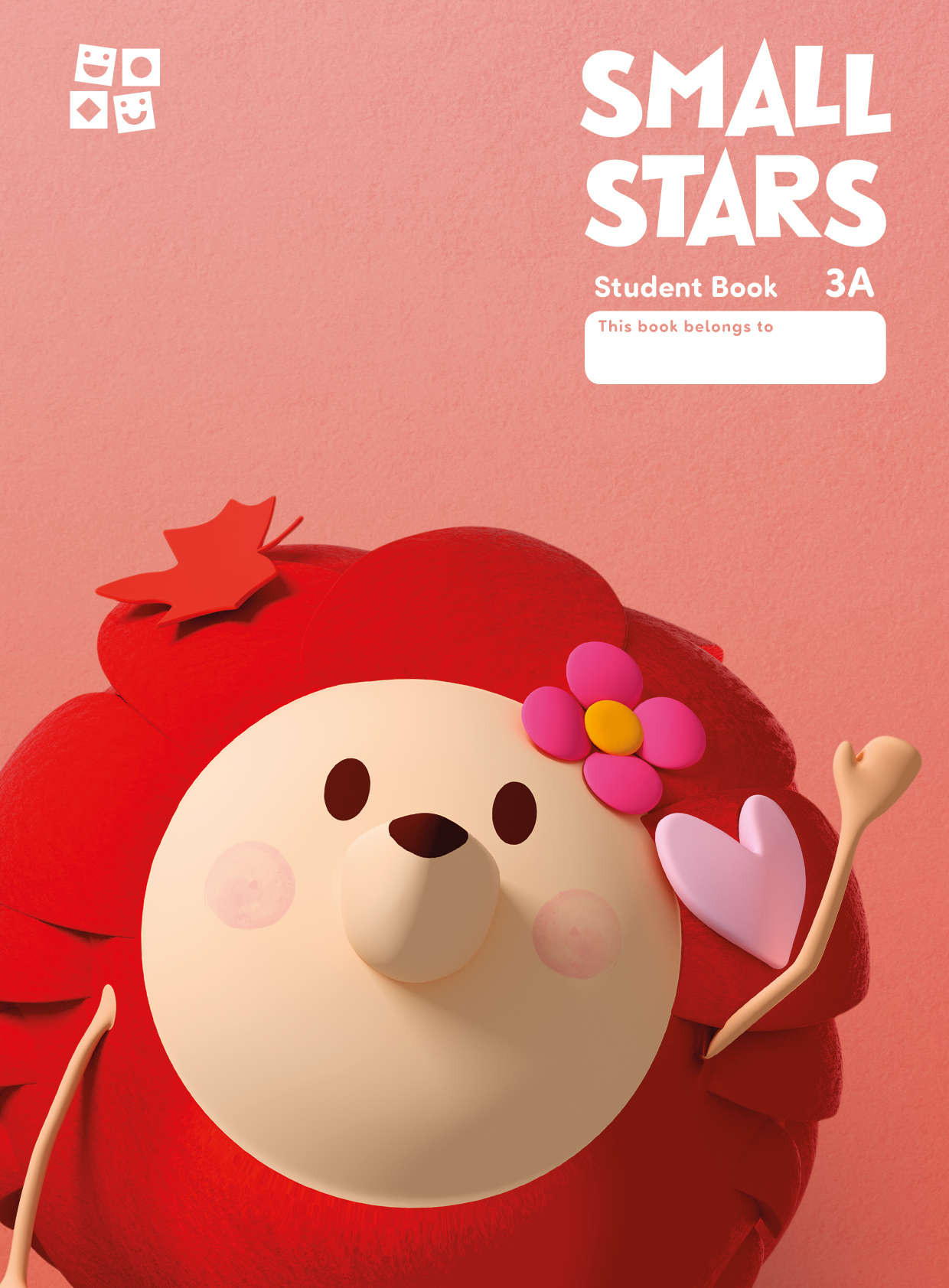
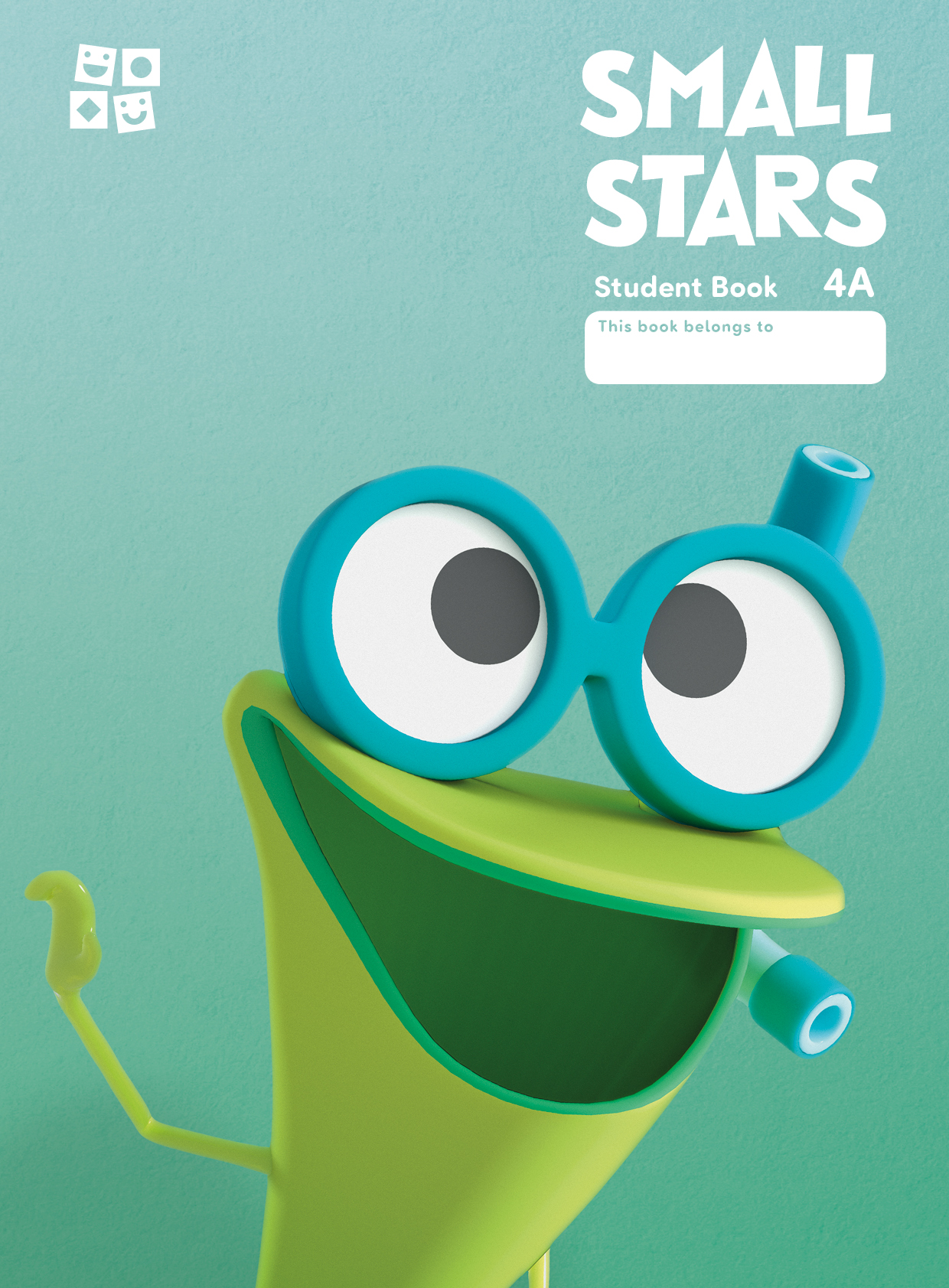
Small Stars is an innovative program specifically designed to introduce English while optimizing children’s abilities during their golden years. Learning through interactive activities enhances cognitive abilities, creativity, and social skills.
Small Stars adalah program bahasa Inggris yang inovatif danterstruktur dari EF, belajar bahasa inggris untuk anak ini dirancang khusus untuk anak usia 3 sampai 6tahun. Sebagai siswa EF, anak Anda akan belajar mengikuti salah satu dari empat buku kursus kamiyang menyenangkan dan mendapatkan permulaan untuk belajar bahasa Inggris dengan percaya diri sambil mengembangkan keterampilan sosial dan kognitif mereka secara umum.
Encourage language skills and creativity
Students learn language while developing creativity through art projects and storytelling.
Practice social and collaboration skills
Collaborative activities help students learn to communicate and work together effectively.
Improve motor development and coordination.
Interactive tasks and games improve students motor skills and coordination.
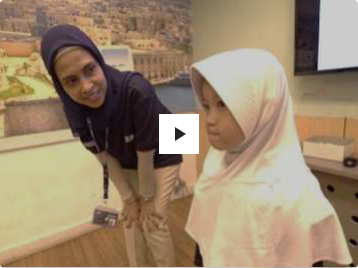
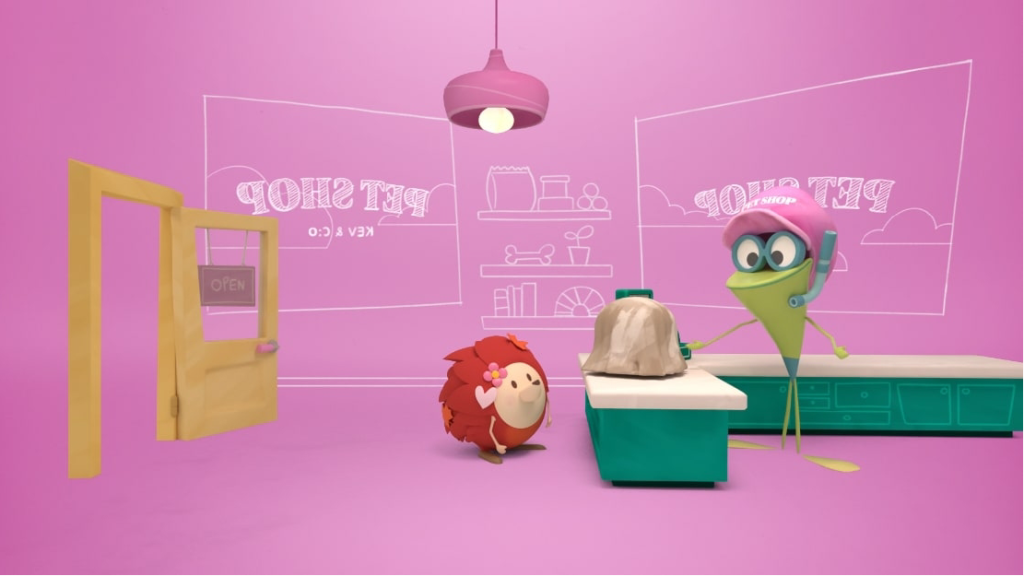
Peek into the Fun in the Small Stars Class
Interaktif dan Permainan Bahasa
Belajar Kosakata
Melalui Lagu dan Permainan
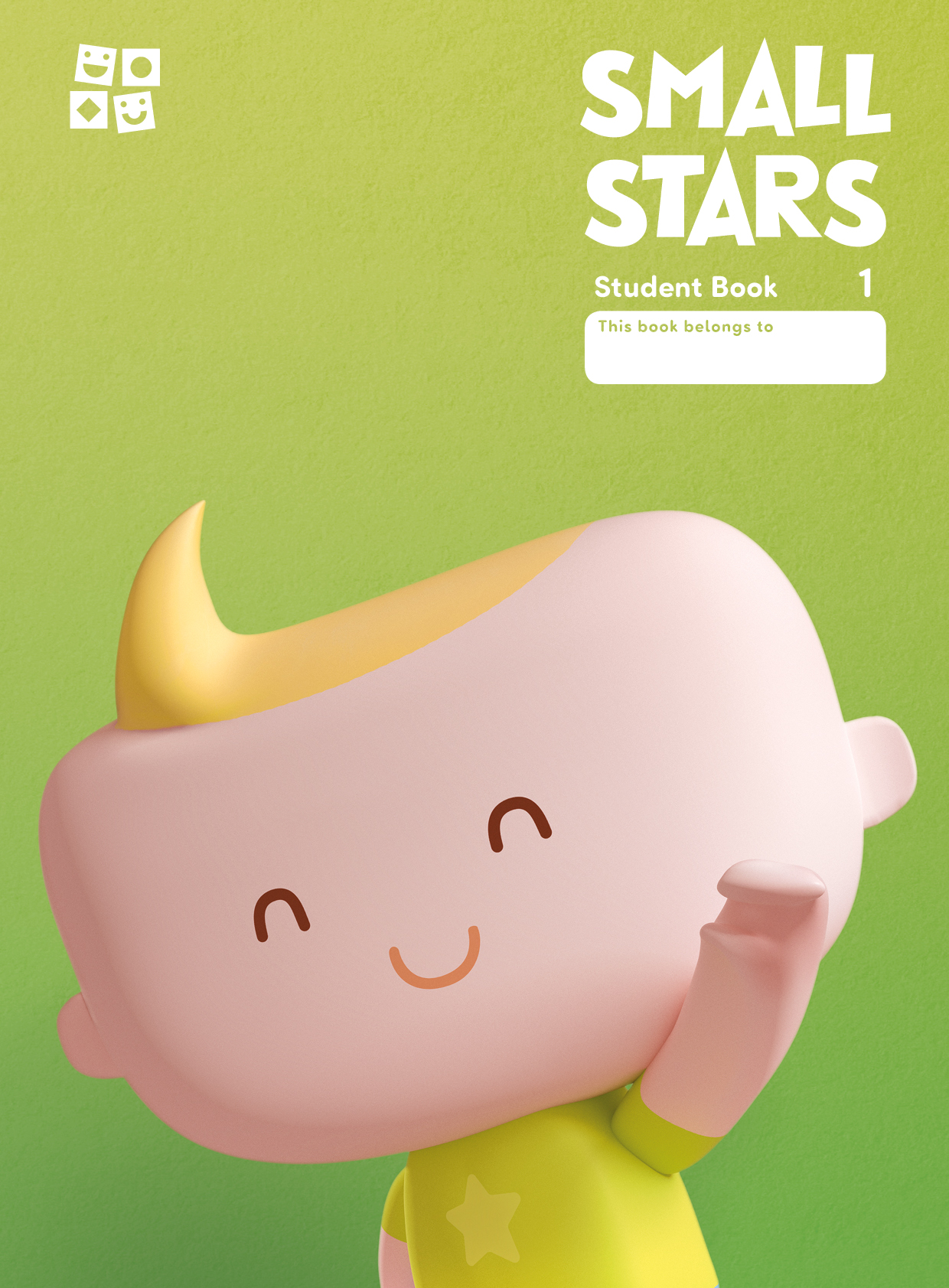
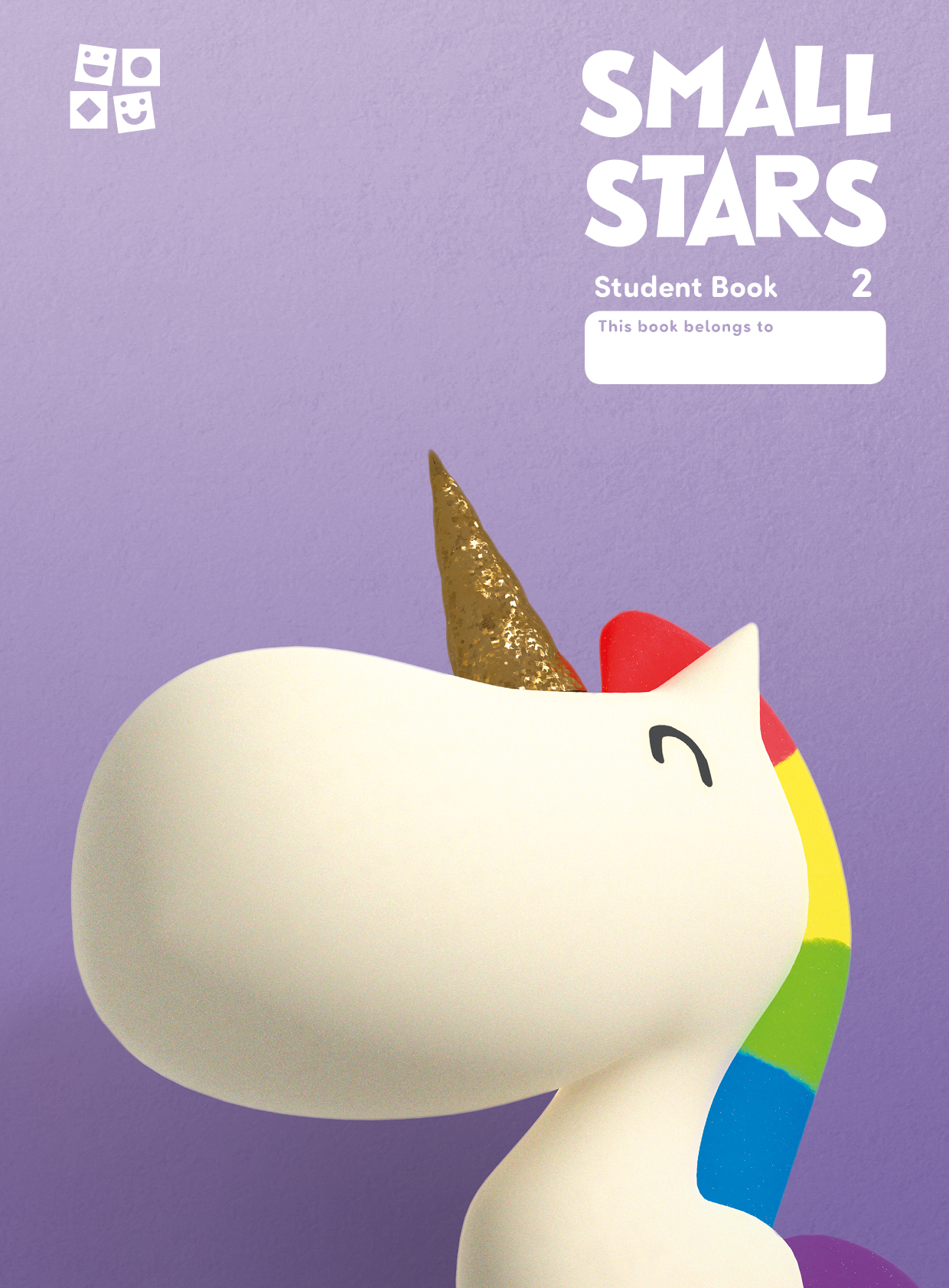
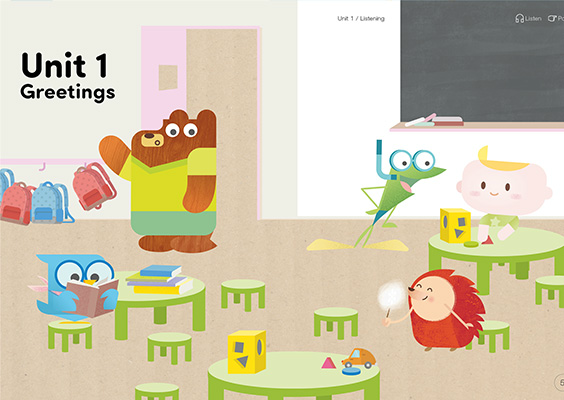
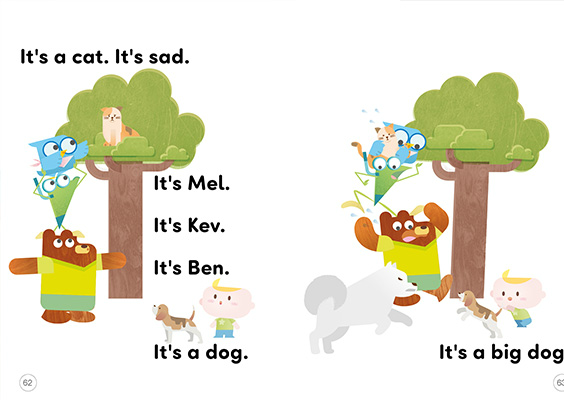
Learning materials
Achievements at the End of the Program
Listening and Speaking
While studying at English 1, students are immersed in a 100% English-speaking environment. Through the Total Physical Response (TPR) method, teachers help connect spoken language with physical movement, engaging the right brain. As a result, this method makes it easier for students to remember vocabulary and phrases, reduces stress, and increases the overall effectiveness of the speaking learning experience.
Reading
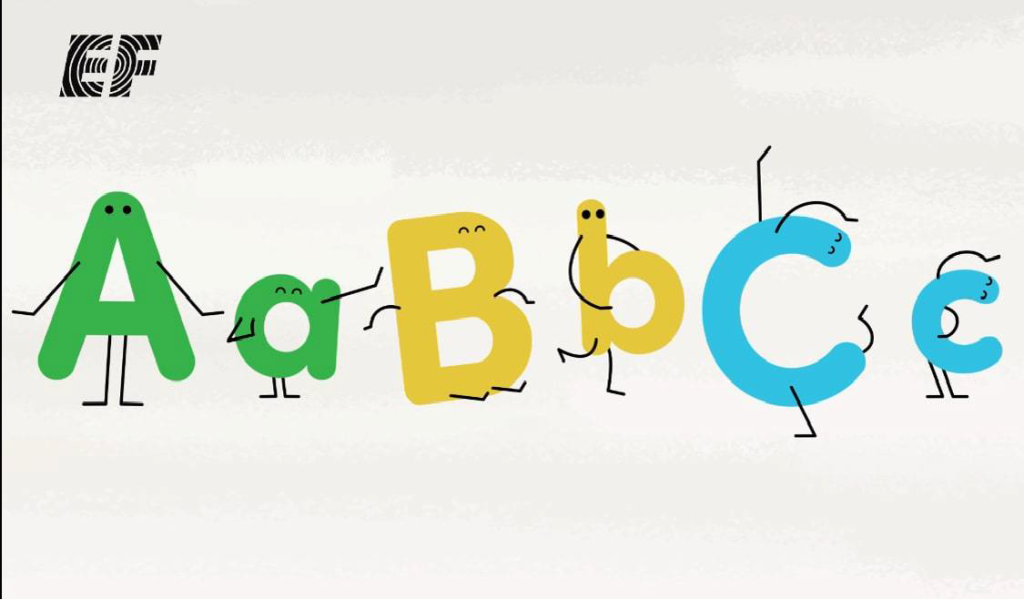
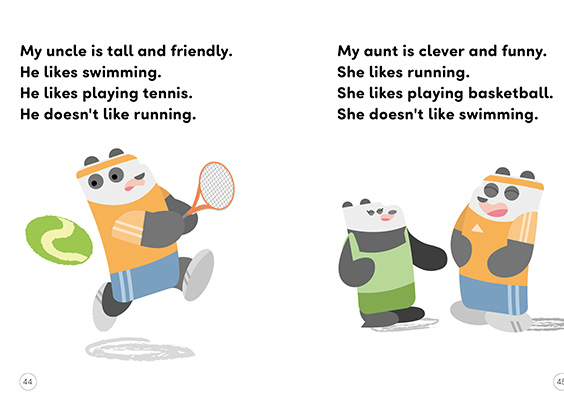
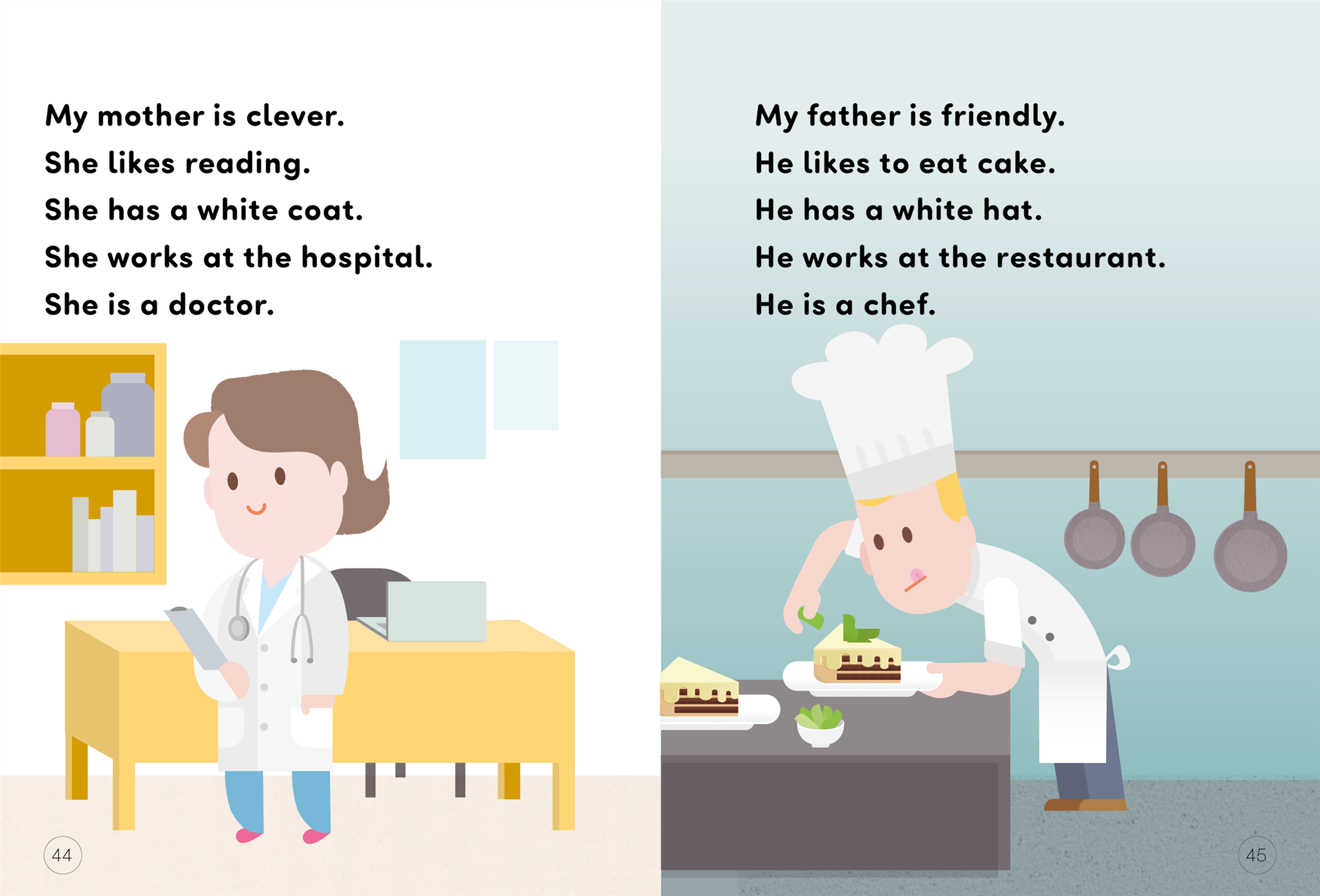
Using visual memory to recognize letters, words, and numbers, children will learn skills such as decoding and blending. This will help them learn to pronounce and read words independently. Furthermore, they will develop reading skills such as recognizing digraphs, long and short vowels, and spelling patterns, until they can read sentences with correct pronunciation and intonation.
Writing
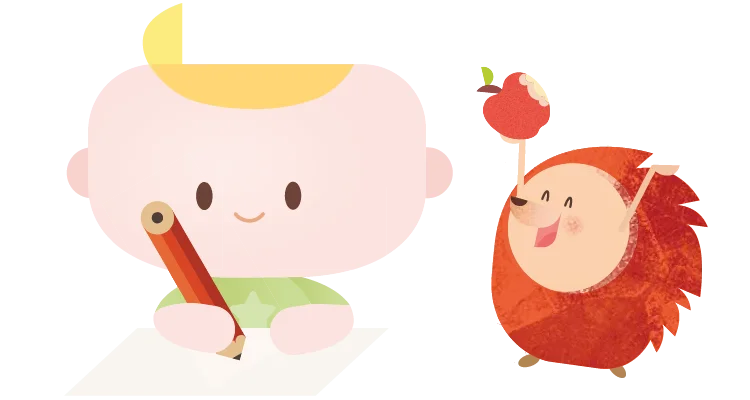
The ability to learn to write independently is directly related to phonics instruction, which is conducted through creative activities that focus on fine motor skills. Students are able to imitate letter shapes correctly and write short sentences on their own.
While studying at English 1, students are immersed in a 100% English-speaking environment. Through the Total Physical Response (TPR) method, teachers help connect spoken language with physical movement, engaging the right brain. As a result, this method makes it easier for students to remember vocabulary and phrases, reduces stress, and increases the overall effectiveness of the speaking learning experience.
Siswa akan mempelajari
1
Phonics (bunyi) dan suku kata Materi kursus didesain melalui riset mendalam mengenai bagaimana anak mengembangkan kemampuan berbahasa di usia dini dan bagaimana mereka mempertahankannya hingga dewasa.
2
Kata dan frase singkat Materi kursus didesain melalui riset mendalam mengenai bagaimana anak mengembangkan kemampuan berbahasa di usia dini dan bagaimana mereka mempertahankannya hingga dewasa.
3
3. Kalimat dan percakapan singkat Materi kursus didesain melalui riset mendalam mengenai bagaimana anak mengembangkan kemampuan berbahasa di usia dini dan bagaimana mereka mempertahankannya hingga dewasa.
Using visual memory to recognize letters, words, and numbers, children will learn skills such as decoding and blending. This will help them learn to pronounce and read words independently. Furthermore, they will develop reading skills such as recognizing digraphs, long and short vowels, and spelling patterns, until they can read sentences with correct pronunciation and intonation.
The ability to learn to write independently is directly related to phonics instruction, which is conducted through creative activities that focus on fine motor skills. Students are able to imitate letter shapes correctly and write short sentences on their own.